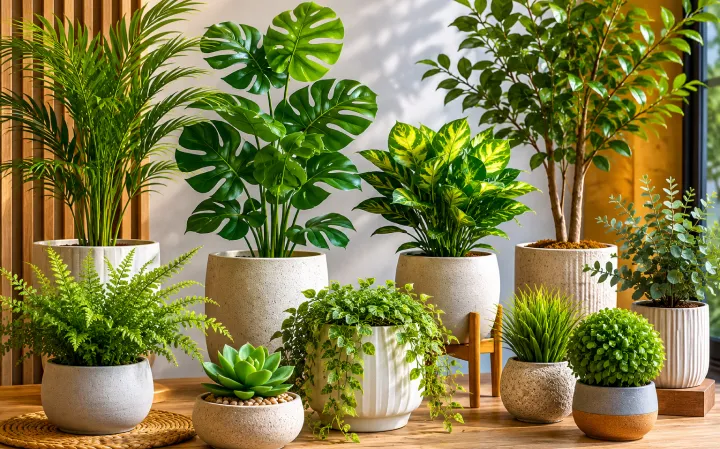
You've probably stood in a room full of lush greenery and thought, "half of those must be fake." And honestly? That's the whole point. Mixing real and fake plants together is one of the smartest interior moves you can make, especially if you love the look of greenery but don't love the idea of keeping a dozen thirsty plants alive. It's a practical, stylish solution, and it works beautifully when done right.
Let's get into it.
yes, absolutely.
There's no interior design rule that says your plants have to be all-real or all-artificial. Plenty of professional stylists, hotel designers, and home decorators blend both in the same space all the time. The key is making the combination look intentional, not accidental.
Real plants bring life, movement, and air-filtering benefits. Artificial plants fill in the gaps, hold their look regardless of light conditions, and never drop leaves on your floor. When you place them together thoughtfully, most people genuinely cannot tell which is which.
Real plants struggle in dim corners. Artificial ones thrive anywhere. This is one of the most practical reasons people mix both. Place a realistic artificial potted plant in a shadowy spot, then let your fiddle-leaf fig or monstera take the bright window position it actually needs.
Big living rooms or office lobbies often need visual volume. Using real plants as focal points and filling surrounding space with artificial greenery keeps the look full without overwhelming your plant-care routine.
This is especially relevant in Qatar. The summer heat is brutal for many plant species. UV-protected outdoor artificial plants can sit alongside heat-tolerant real plants on a balcony or patio without wilting or browning. Aspire Gardens offers weather-resistant artificial plants built specifically for outdoor conditions in Qatar's climate, which handles this mix perfectly.
Choose similar pot styles. Consistency in containers ties everything together. If your real plants are in terracotta pots, use the same style for the artificial ones.
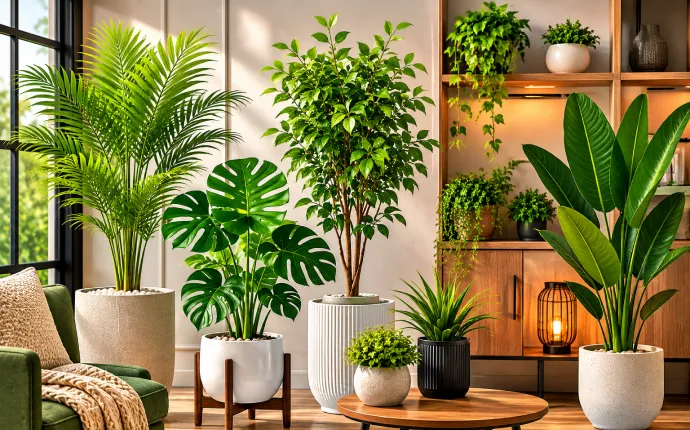
Vary the heights. Mix tall artificial trees with mid-height real plants and small real succulents at surface level. The layering creates depth and makes the display feel organic.
Keep the artificial plants clean. Dusty fake leaves immediately look artificial. Wipe them down regularly so they stay as vibrant as the real plants next to them.
Avoid obviously fake textures. High-quality artificial plants made from silk or realistic materials blend far better than cheap plastic varieties. The detail in the leaves matters enormously when placed next to real foliage.
Cluster them together. Grouping plants in odd numbers, mixing real and artificial within the cluster, is one of the oldest styling tricks around. It reads as a collection, not a comparison.
Pest spread is a genuine concern. Real plants can occasionally attract insects. If an artificial plant is right next to an infested real plant, it's easy to miss the problem until it spreads. Check your real plants regularly.
Also, don't rely on artificial plants as a substitute for understanding your real plant needs. A real plant placed in the wrong spot because you thought it would "look good next to the fake one" will still struggle. Give real plants what they actually need, then use artificial ones to fill the aesthetic gaps.
The idea that mixing real and fake plants together is somehow a design cheat is outdated. Done well, it's a genuinely smart approach to indoor greenery that works for real homes, real offices, and real lives.
Start with one or two high-quality artificial plants placed alongside your existing real ones. See how the room responds. Adjust from there.
The goal is a space that feels alive and cared for, and if a beautifully crafted artificial palm helps you get there, that's not a compromise. That's just good design.
Which room in your home do you think would benefit most from this mix?
Yes, and it's easier than most people think. The secret is quality. A well-made artificial plant next to a healthy real one is nearly indistinguishable. Use matching pots and vary the heights, and it looks totally intentional.
Not directly. Artificial plants don't compete for water, light, or nutrients. The only real risk is that they can obscure pest issues on nearby real plants if you're not paying attention. Check your real plants regularly regardless.
Low-light corners, high shelves, and outdoor spots with extreme heat or wind are ideal. Put your real plants where conditions suit them, then use artificial ones to fill the spaces where live plants would struggle.
Definitely. The summer heat makes it genuinely difficult to maintain certain plant species outdoors. UV-protected, weather-resistant artificial plants are built for exactly that environment and hold up well alongside heat-tolerant real varieties.
Wipe them down every couple of weeks. Dust is the fastest way to make a fake plant look fake. A quick clean keeps the leaves vibrant and consistent with the real greenery around them.
© 2026 - Aspire Furniture All rights reserved. Powered By SilverHost