Choosing the right window treatments can completely change the look and feel of your space. Whether you're decorating a cozy bedroom, a spacious living room, or a productive office work space, knowing how to match curtains and blinds can improve your interior design. This blog helps you to understand the practical tips, creative matches, and smart styling ideas to help you get the perfect blend of curtains and blinds for all spaces.
Why Matching Curtains and Blinds Matters
Blending curtains with blinds isn't just about decorating. When done right, this combination:
- Improves privacy and light control
- Adds a perfect finish and depth to a room
- Supports your overall design theme
- Offers energy efficiency by controlling indoor temperature
From modern apartments to traditional homes, finding the right curtains or blinds matching to your space adds both performance and beauty.
Popular Curtain and Blind Combinations for Different Spaces
Let’s discuss how to arrange your window treatments in different settings using smart design ideas and curtain and blind matching tips.
1. Living Room
The living room is often the heart of the home, making it a perfect place to add a touch of luxury and utility
Recommended Pairing:
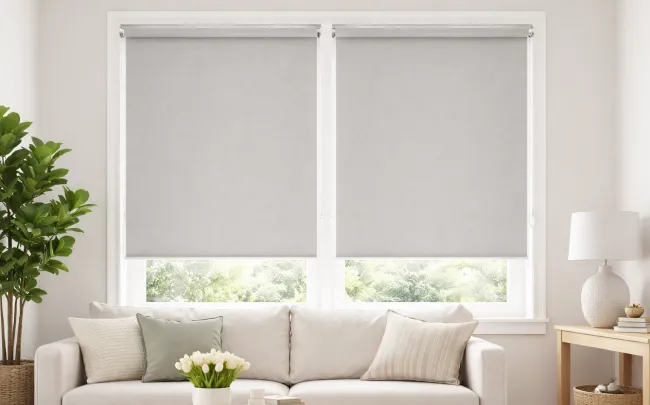
- Roman blinds for clean lines
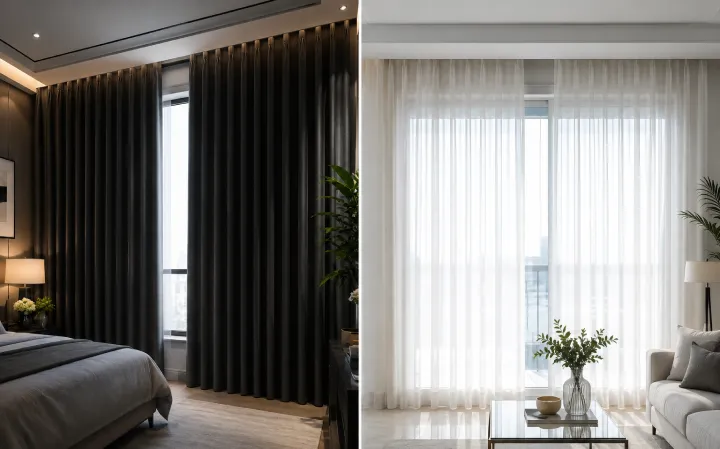
- Layered with transparent floor-length curtains in neutral shades
Design Tip:
Choose colors that match well with your sofa or carpet to make sure color balance. For modern interiors, stick to single color shades, while matching with fabrics that work well in rustic or boho-themed spaces.
2. Bedroom
Bedrooms need privacy and the capacity to block out light. A thoughtful mix of blinds and curtains makes sure comfort and style.
Recommended Pairing:
- Blackout roller blinds for balanced light control
- Paired with soft drapery curtains in pastel or earthy hues
Design Tip:
Use heavier curtain fabrics in cooler regions for temperature control. Matching or contrasting your bedding can create a balanced look.
3. Kitchen
Kitchens need easy-to-clean and water-resistant window treatments.
Recommended Pairing:
- Venetian blinds for water resistance and control
- Combined with valance curtains or cafe style slats for a soft finish
Design Tip:
Stick to light, bright shades like white or pale gray to reflect natural light and make the space feel larger.
4. Office or Study Room
Your home office needs a professional and comfortable environment that supports productivity.
Recommended Pairing:
- Vertical blinds for adjustable light control
- Layered with minimalist curtains to soften the room
Design Tip:
Neutral tones like beige or navy keep the space grounded and help in focus. Avoid heavy or patterned curtains that may distract your mind.
5. Small Spaces or Studio Apartments
In small areas, your window treatments need to do more with less visually and practically.
Recommended Pairing:
- Zebra blinds or day-night blinds
- Zebra blinds or day-night blinds
Design Tip:
Neutral tones like beige or navy keep the space grounded and help in focus. Avoid heavy or patterned curtains that may distract your mind.
6. Bathroom
Bathrooms need window treatments that can resist humidity while maintaining privacy.
Recommended Pairing:
- PVC strip curtains or faux wood blinds for water resistance
- Combined with lightweight transparent curtains or frosted film accents for added style
Design Tip:
Stick to water-resistant materials and avoid heavy fabrics. For a spa-like feel, choose for neutral shades like white, sand, or pale blue.
7. Kids’ Room
Children’s rooms must need window options that are safe, useful, and look good.
Recommended Pairing:
- Tangle free / roller blinds for safety
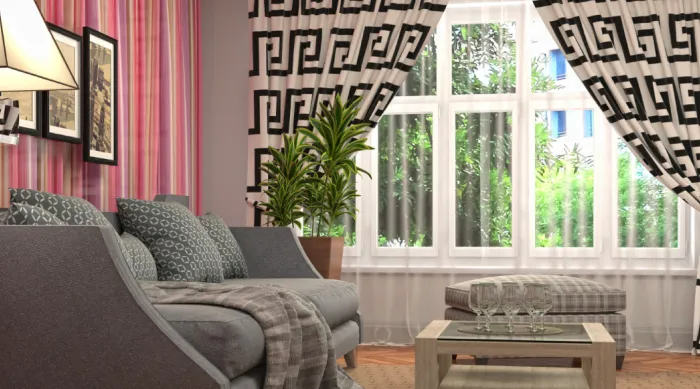
- Paired with colorful printed curtains to reflect your child's personality
Design Tip:
Use blackout blinds to support healthy sleep routines and layer with colorful curtains displaying colors or cartoon characters they love. Always prioritize child-safe window treatments.
How to Choose the Right Fabric and Material
The secret to beautifully matched curtains and blinds often depend on the choice of fabric and material. The right materials not only improve visual appeal but also give practical purposes like temperature control, privacy, and durability.
Curtain Fabric Options:
- Cotton: Versatile and breathable, great choice for most rooms
- Linen: Offers a natural, airy look for casual spaces
- Velvet:Adds a touch of luxury and excellent for blocking light
- Sheers:Perfect for layering and spreading light softly
Blind Material Options:
- Aluminium:Durable and easy to clean, perfect for kitchens
- PVC/Faux Wood:Water-resistant and affordable
- Wooden Blinds:Warm, natural look for traditional or natural feel
- Fabric Blinds (Roman/Roller): Softens the space and can be customized with patterns
Pro Tip:When matching curtains and blinds, make sure that at least one element (color, texture, or material) matches them together visually. For example, pairing linen curtains with fabric Roman blinds in matching shades can create a beautiful look.
Curtain and Blind Matching Tips
Regardless of the room, here are some common tips for great matching curtains and blinds:
- Stick to a uniform color palette:Choose shades that match the existing decor.
- Play with textures:Mix sleek blinds with soft or patterned curtains for visual interest.
- Consider light control:Use blackout or light-filtering blinds based on the room's needs.
- Think about maintenance:Go for easy-to-clean materials in kitchens or daily use spaces.
- Match the length to the window:Long curtains suit tall windows, while shorter options match kitchens and bathrooms.
Conclusion
Blending curtains and blinds that match your space is an art that balances function and style. By understanding your room’s purpose and aesthetics, you can create a design that matches beautifully and gives its purpose. Whether you're going for a minimalist vibe or a layered, luxurious look, matching your window treatments can completely improve your interior.
From blackout blinds in bedrooms to Roman blinds in the living room, every choice adds beauty to your home's corner.