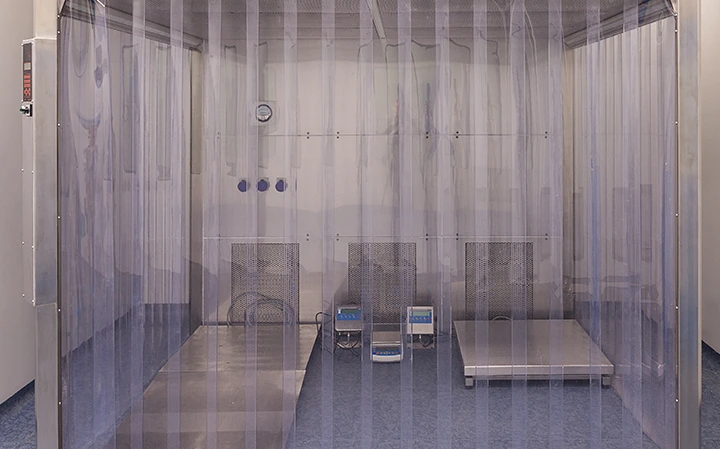
You’ve installed them to keep the heat out, the cool air in, and the dust away. But let’s be real: after a few weeks of heavy forklift traffic and staff bustling through, those crystal-clear barriers start to look like a foggy mess. Dirty strips don't just look unprofessional; they become a safety hazard by killing visibility and losing their flexible seal. Learning how to clean and maintain PVC strip curtains isn't just about aesthetics; it's about protecting your investment and your team.
At Aspire Blinds, we know that high-quality industrial barriers are only as good as the care you give them. A little bit of elbow grease goes a long way in keeping your workflow smooth and your energy bills low.
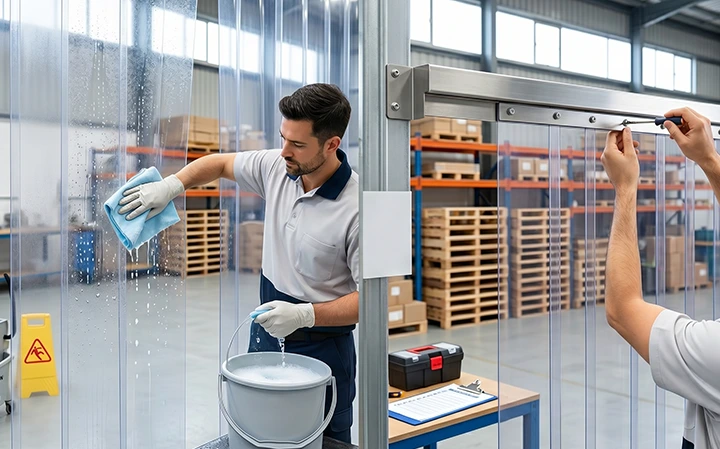
To maintain PVC strip curtains dirt-free, the most effective method involves a simple mix of warm water and mild, non-abrasive soap. You don't need fancy industrial chemicals; in fact, harsh solvents can actually cloud or crack the material. Simply wipe down each strip with a soft microfiber cloth or sponge. If you have a massive installation, taking the strips down and soaking them in a large tub of soapy water for a few hours works wonders for removing stubborn grime and grease.
To keep your curtains clear, avoid anything that could scratch the surface. Scratches trap dirt and make the strips look dull.
Dust First: Use a dry cloth to remove loose particles so you aren't just moving dirt around.
Wash: Apply your soapy solution from top to bottom on both sides.
Rinse & Dry: Use plain water to remove soap residue and dry with a clean towel to prevent water spots.
In a climate like Doha, heat and UV exposure are constant battles. Over time, grease and airborne particles can react with the PVC, causing it to lose its flexibility. When strips become stiff, they don't seal properly. This allows your expensive chilled air to escape and invites pests inside. By following a consistent routine to clean and maintain PVC strip curtains, you prevent the chemical buildup that leads to yellowing and brittleness.
It’s not just about the plastic; it’s about the hardware. Every few months, check your mounting brackets and hooks. If a strip is sagging or has a jagged tear, it’s time for a quick swap. One of the best perks of this system is that you don't have to replace the whole door, just the damaged strip.
Rotate the Load: Move the outer, less-used strips to the center where the most traffic occurs to even out the wear.
Check Alignment: Ensure a 50% overlap for the best thermal seal.
Hardware Check: Tighten any loose fasteners on the headrail to prevent strips from falling.
Different environments face different challenges. A commercial kitchen in a busy hotel will deal with grease, while a warehouse near the desert deals with fine sand.
If you’re using polar-grade PVC strips for your freezers, you need to be extra careful. Standard PVC becomes brittle in sub-zero temps, but even polar grades need to stay clean to remain pliable. For dusty warehouses, consider an anti-static spray after cleaning. This reduces the "static cling" that attracts dust and keeps your strips looking newer for longer.
Maintaining your PVC curtains isn't a massive chore, but it is a vital one. Clear, flexible strips mean a safer workspace, better hygiene, and a much lower cooling bill. A few minutes of cleaning today saves you from the cost of a full replacement tomorrow.
I’d avoid it. Many window cleaners contain alcohol or ammonia, which can eventually strip the plasticizers from the PVC. That leads to that "foggy" look that you can't wipe away. Stick to mild dish soap and warm water. It's cheaper and safer for the material.
If you're in a food processing area or a commercial kitchen, you should give them a wipe-down weekly. For a standard warehouse, once a month is usually plenty. If you can't see clearly through them, you've waited too long!
Not always. For a quick refresh, you can clean them while they’re hanging. But once or twice a year, taking them down for a deep soak is the best way to get into the crevices of the mounting hardware and ensure both sides are spotless.
Yellowing is usually a sign of heavy UV damage or old age. Once the chemical structure of the PVC has changed, you can't "clean" the yellow away. The best move is to replace those specific strips to restore visibility and look professional again.
© 2026 - Aspire Furniture All rights reserved. Powered By SilverHost